


It's no accident that factory farms have spread across the country. Weak environmental rules and bad farm policy have allowed factory farms to take over livestock production. Even if you don't live near one, there are things you can do to help get rid of factory farms.
Take action to tell the EPA to finally regulate air and water pollution from factory farms
Note To My Critics:
The links to the many sites that I've included contain information that I believe to be relevant, be it the graphics, the videos, the undercover investigations, etc. . Exposing & and ending the brutality and savagery inflicted on the non-human animals is what I am focused on. I strongly believe that every voice against animal abuse/exploitation is of value and -and- collectively we have the power to end it. I am here for the animals, not for anyone's approval and for that I make no apologies. ** I do not promote violence towards humans.
___________________________________________________

Friday, March 16, 2012
Thursday, June 30, 2011
Sunday, November 28, 2010
The Factory Farm: Why I Choose To Be Vegan: VIDEO
Imagine you were in a factory farm. What would you see? What would you hear? How would you react? Would you run? Would you scream?
I made this video to show people what is truly going on and to prove that animals DO FEEL pain and fear. Please do not think for a second that they have no clue what is going on or that they simply do not have the brain capacity to fear for their lives.
Please share this and help raise the awareness.
www.moopignaturals.com
Vegan Store
www.moopigvegan.com
Blog
MooPigTweets
Twitter
Friday, October 16, 2009
Swine Flu ~Retribution
Karma: karma |ˈkärmə|
noun
(in Hinduism and Buddhism) the sum of a person's actions in this and previous states of existence, viewed as deciding their fate in future existences.
• informal destiny or fate, following as effect from cause.
~We are only getting what we deserve~
Tuesday, August 25, 2009
Transportation of Farm Animals Investigation
Originally Posted by:
Lizzie Wylder Apr 22
This is a video of a 2005 investigation of a US farm animal transportation done by Compassion Over Killing. Unfortunately, this is not an isolated case. Animals being transported to slaughterhouses are crammed tightly into trucks, and travel for more than 28 hours without food, water or rest. They are exposed to harsh weather, and die from heat exhaustion or freeze to death -- often being frozen to the side of the truck -- before even making it to the slaughterhouse. These animals are treated as nothing more than money gaining products from the time they are born, during transport, and when they are slaughtered. They have done harm to no one, and yet are given no mercy. Go to tryveg.com and cok.net to learn more about animals who are raised for food and the best way you can help them.
http://www.youtube.com/watch?v=HeUWDdngafQ&feature=player_embedded
Tuesday, June 2, 2009
Factory Farms Mutilate Baby Pigs
Reposted with Thanks From:
One Voice
Factory Farms
Mutilate Baby Pigs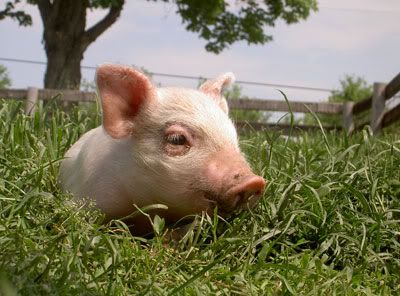
On factory farms, the following procedures are performed on piglets only weeks old. The pig-flesh industry refuses to use painkillers even though local anesthesia would cost about 1 penny per baby pig.
Castration
Workers slice into a piglet’s scrotum and pulls out his testicles while the piglet screams and writhes in pain. Imagine asking a veterinarian to neuter your dog—but without pain relief. That would be a felony in most states.
“Ear-notching”
Large hunks of each piglet’s ears are sliced off with scissors to make identification patterns.
“Ear-notching”
Piglets have their tails cut off to reduce tail biting, a habit that arises from boredom and frustration in stressful factory farm conditions. Scientists testify that the pain is severe and continues for many days.
“Tooth-clipping”
The piglet’s incisor teeth are cut off with pliers that are similar to wire cutters so that they can’t cause injuries by chewing on themselves or their neighbors when the extreme confinement drives them insane. Imagine dental surgery without anesthetics.
WARNING:
This video shows scenes of animal cruelty and tooth clipping filmed undercover in intensive factory farms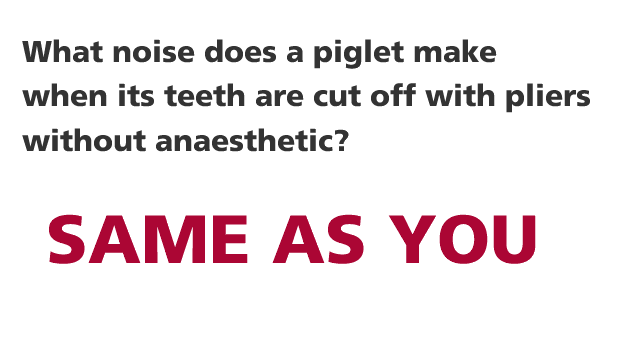
Friday, May 8, 2009
Happy Cows?
Dairy Products from 'Happy Cows'. I watched a commercial today for Babybel Cheese. in the commercial a young woman with a bright, cheerful, sunny smile was on a city sidewalk handing out little rounds of mini Babybel cheese to pedestrians. At the end of the commercial she comments that Babybel is cheese from 'Happy Cows'. Babybel's logo is a picture of a cow with a big smile with the word overhead "The Laughing Cow". So in essence this dairy company is touting 'Laughing Cow products from Happy Cows'. Please read the information below and click on the links to visit the websites....I don't think these cows are very 'happy'.
http://www.goveg.com/factoryFarming_Cows_Dairy.asp
http://www.chooseveg.com/dairy.asp
Cows produce milk for the same reason that humans do—to nourish their young—but calves born on dairy farms are taken from their mothers when they are just one day old and fed milk replacers so that humans can have the milk instead.
In order to keep a steady supply of milk, the cows are repeatedly impregnated. Several times a day, dairy cows are hooked by their udders to electronic milking machines, which can cause the cows to suffer electrical shocks, painful lesions, and mastitis.
Some spend their entire lives standing on concrete floors; others are crammed into massive mud lots.
Although cows would naturally make only enough milk to meet the needs of their calves (around 16 pounds a day), genetic manipulation, antibiotics, and hormones are used to force each cow to produce more than 18,000 pounds of milk a year (an average of 50 pounds a day).
Cows on factory farms suffer from a variety of health problems including mastitis, a painful inflammation of the mammary glands. In order to further increase profits, Bovine Growth Hormone (BGH), a synthetic hormone, is now being injected into cows to get them to produce even more milk. The hormones adversely affect the cows’ health and increase the rate of birth defects in their calves. BGH may also cause breast and prostate cancer in humans.
Cows have a natural lifespan of about 25 years and can produce milk for eight or nine years, but the stress caused by factory farm conditions leads to disease, lameness, and reproductive problems that render cows worthless to the dairy industry by the time they are four or five years old, at which time they are sent to the slaughterhouse.
cruelty in a crate
Few consumers realize that veal is a direct by-product of the dairy industry. In order for dairy cows to produce milk, they must be impregnated. While female calves are slaughtered or added to the dairy herd, many male calves are taken from their mothers when they are as young as one day old and chained in tiny stalls to be raised for veal.
The confinement is so extreme that they cannot even turn around or lie down comfortably. As author John Robbins notes, “The veal calf would actually have more space if, instead of chaining him in such a stall, you stuffed him into the trunk of a subcompact car and kept him there for his entire life.”
Many veal calves are deliberately kept anemic in order to produce light-colored meat, which fetches higher prices in restaurants. Their liquid-based, iron-deficient diets cause numerous health problems.
Motherless and alone, they suffer from ulcers, diarrhea, pneumonia, and lameness. After three to 18 weeks of this deprivation, they are trucked to the slaughterhouse, where their young lives are taken from them.

Monday, April 27, 2009
Factory Farms Breeding Grounds For Swine & Avian Flu
Partial Repost with much thanks to: Animal Rights Movement
Swine Flu and Factory Farms: Fast Track to Disaster-HSUS
History of swine flu and links to factory farmingAvian Flu -
http://www.youtube.com/watch?v=eGSCbXiNuvU
Help stop avian virus by going vegan
By Karen Davis, PhD
Recent articles in The Wall Street Journal, The Economist and elsewhere show the ongoing concern that the avian influenza virus H5N1 could cross our shores. So far, the virus has confined itself mainly to foreign countries, where reportedly it has killed fewer than 200 people, while instigating the death and destruction of hundreds of millions of chickens and other birds in the live poultry markets and factory farms that have enabled avian flu viruses to mutate and spread in the first place.
For read full article go to United Poultry Concerns - United Poultry Concerns and view poultry diseases link.
http://www.youtube.com/watch?v=EohrZLI7vZA
Antibiotics: Misused on Factory Farms
Jay Graham, MBA, PhD, a former fellow at Johns Hopkins Center for a Livable Future discusses the use of antibiotics in industrial farms and the public health risks it creates. He is currently a Polity Fellow at the American Association for the Advancement of Science (AAAS).
http://www.youtube.com/watch?v=S0MyDNcp-pE
Outbreaks among PIGS normally occur in late fall and winter and sometimes with the introduction of new pigs into herds. In the United States, studies have shown that 30 percent to 51 percent of the pig population has antibody evidence of having had H1N1 infection. Antibody can be due to vaccination of pigs for swine flu or from natural infection with swine flu. There is currently no way to differentiate antibody produced in response to vaccination in pigs from antibody made in response to natural infection with H1N1.
QUESTIONS & ANSWERS
Key Facts About Swine Influenza (Swine Flu)
Microscopic Diseases caused by animals raised for food
Avion Bird Flu
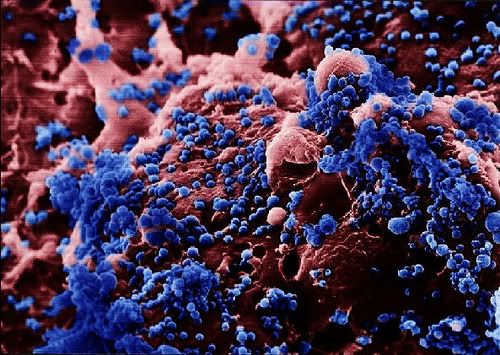
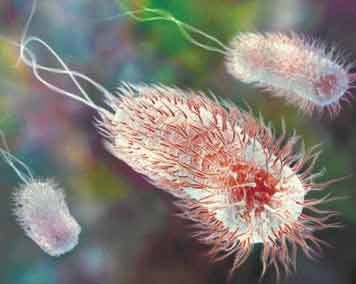
Even the spinich and tomato outbreaks were caused by sanitation animal handling in the area.
Heart Disease:
I would still be much more concerned about the leading killer in the USA - Heart Disease mainly from our animal product based diets.
Why You Should Consider Adopting a Vegetarian DietVegan Outreach
The Truth is hard to find! Bu$inesses lie for your money and older people are resistant to change.
Baxter To Develop Swine Flu Vaccine Despite Bird Flu Scandal
The fox has been given the duty of guarding the henhouse
[Just like the Federal Reserve in charge of "recovering" our economy!]
http://www.prisonplanet.com/baxter-to-develop-swine-flu-vaccine-despite-bird-flu-scandal.html
Thursday, March 19, 2009
Many leather & fur products are from CAT & DOG SKINS -

Answer: Both are used to make LEATHER!
(just to name a few)
*Cows
*Pigs
*Goats
*Sheep
*Alligators
*Ostriches
*Kangaroos
*Horses
*Zebra
*Bison
*Buffalo
*Elephants
*Snakes
*Dolphins
*Dogs
*Cats
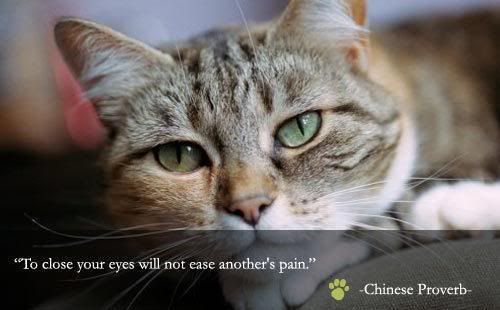
Yes, DOGS and CATS are slaughtered for their meat and skins in China (China exports their skins around the world).
*Since leather is normally not labeled, you never really know where (or whom) it came from.
Most leather comes from developing countries like India and China, where animal welfare laws are either non-existent or not enforced.
Many of the millions of cows and other animals who are killed for their skin endure the horrors of factory farming—Along with extreme crowding and deprivation, the animals must go through a series of painful procedures.
ALL THE FOLLOWING ARE DONE WITHOUT ANY PAINKILLER:
*castration
*branding
*tail-docking
*dehorning
*and even skinning the animal alive!
In India, a PETA investigation found that cows have their tails broken and chili peppers and tobacco rubbed into their eyes in order to force them to get up and walk after they collapse from exhaustion on the way to the slaughterhouse. At slaughterhouses, animals routinely have their throats slit and are skinned and dismembered while they are still conscious after improper stunning.
Most of the millions of animals slaughtered for their skin endure the horrors of factory farming before being shipped to slaughter, where many are skinned alive. Buying leather directly contributes to factory farms and slaughterhouses since skin is the most economically important byproduct of the meat-packing industry.
*Leather is also no friend of the environment since it shares all the environmental destruction of the meat industry, in addition to the toxins used in tanning
With every pair of leather shoes that you buy, you sentence an animal to a lifetime of suffering. Instead, you can choose from hundreds of styles of nonleather shoes, clothing, belts, bags, and wallets.
Fashion should be fun, not fatal! Read more about the cruelty of the leather industry.
Animal Cruelty
Animal Cruelty
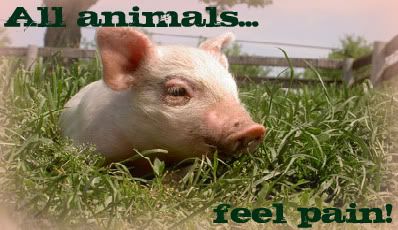
When people think of cruelty, they often think of a person starving or beating an animal. In other words, they think of actions that are against the law. They may also think of things done by other nations, such as whale hunting, bear farming, bull fighting, or clubbing seal pups.
Certainly all of these actions are cruel,
but animals also suffer much closer to home.
Mostly people don't think about everyday suffering!
Animals killed for food, battery hens, laboratory animals, animals that are trapped, poisoned, or hunted for sport. These actions aren't illegal, but they cause suffering to more individuals than people who starve or beat their animals.
So what is cruelty?
In what ways do animals suffer?
Pain.
All animals with backbones (vertebrates) feel pain like we do. Hooking fish, fire branding cattle, catching animals in steel-jaw traps, cutting tails off lambs and beaks off hens, all cause pain.
Stress and Fear.
Vertebrate animals feel anxiety like we do. Transport is very stressful for animals, especially live export overseas. Being pulled out of the water and left to suffocate causes great stress to fish. Dairy calves taken from their mother after 1 day and trucked to slaughter at 1 week of age suffer greatly.
Frustration.
Animals need more than food and water for their well-being - they also need to be able to carry out the behaviour that is natural to their species. Otherwise they become frustrated and may develop abnormal behaviour, just like a mentally disturbed person. Signs of frustration can be seen in battery hens, pigs in tiny stalls, rabbits in laboratory cages, foxes and mink on fur farms, and some zoo and circus animals.
Animal Cruelty in...
Factory Farms
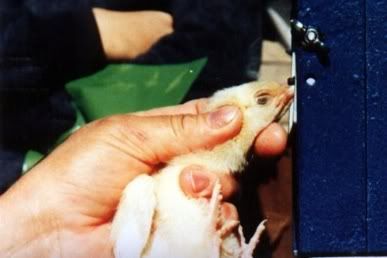
Animals in factory farms are treated as machines, not sentient beings who feel pain and emotions just like dogs or cats. Their welfare is disregarded in the name of profit, and they suffer horrendous conditions in mind boggling numbers. On standard commercial egg farms, hens are kept in such small cages that they cannot even lift one wing. Factory farmed animals have their beaks, tails, horns and genitals chopped off with no anesthesia. All animals on factory farms are kept intensively and painfully confined. At the end of their miserable lives, they are all sent to violent commercial slaughterhouses where stunning procedures often fail, and the animals are dismembered or skinned while still conscious.
..
In order to boycott factory farm cruelty altogether, as well as the devastating effects of factory farming on the environment and human health, compassionate people all over the world are going vegan.
Laboratories
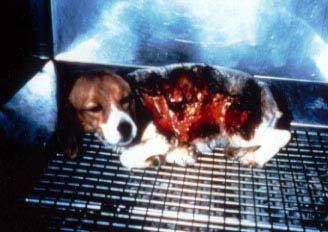
Vivisection is the cutting into or dissecting of a live animal. Billions of non-human animals have been burnt, crushed, sliced, electrocuted, poisoned with toxic chemicals, and psychologically tormented in the name of scientific curiosity. What have we learned from all of this suffering? That animal research is inherently unethical, inevitably wasteful, and wholly unreliable. The U.S. squanders approximately $18 billion per year on animal experiments, much of which is funded by taxpayers, even though alternatives are less expensive and can be used repeatedly. And what do we get for our dollars? "Too much suffering for too little knowledge.
"
Fur Farms
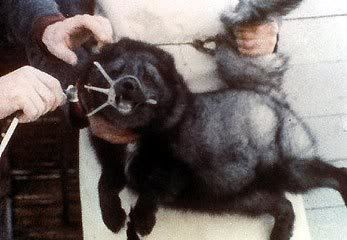
More than 45 million animals worldwide, including raccoon dogs, rabbits, foxes, mink, and chinchillas, are raised in cages and killed each year for their fur. Not only are cage-raised animals killed inhumanely, but they suffer from numerous physical and behavioral abnormalities induced by the stress of caging conditions. After spending their short lives in squalid conditions, animals raised on fur farms are killed by cruel methods that preserve the pelt, such as gassing, neck-breaking and anal electrocution.
Some are skinned alive!
Animals living in the wild
are the unseen victims of human exploitation.
Their lives are cruelly cut short for the sake of greed, vanity, and the so-called thrill of sadistic bloodsports
Every form of violence and cruelty imaginable is inflicted upon wild animals and yet the public is largely unaware of these abuses.
Trapping
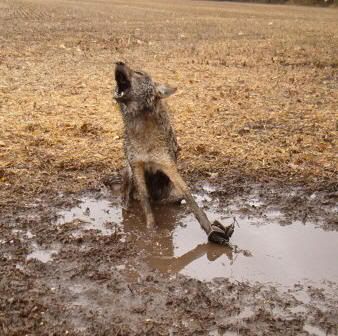
Millions of wild animals, including bobcats, coyotes, foxes, lynx, raccoons, and wolves, suffer and die in traps each year. Countless dogs and cats, deer, birds and other animals—including threatened and endangered animals—are also injured and killed each year by the indiscriminate traps. Traps, including steel-jaw leghold traps, body-gripping traps, and wire neck snares, are inhumane devices that inflict great pain and suffering.
Hunting
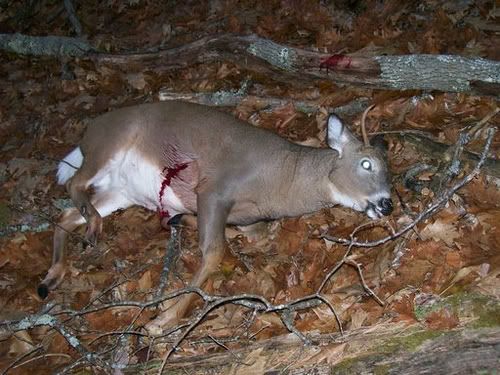
Although it was a crucial part of humans’ survival 100,000 years ago, hunting is now nothing more than a violent form of recreation that the vast majority of hunters do not need for subsistence.
Many animals suffer prolonged, painful deaths when they are injured but not killed by hunters.
Hunting disrupts migration and hibernation patterns and destroys families. For animals like wolves, who mate for life and live in close-knit family units, hunting can devastate entire communities. The stress that hunted animals suffer—caused by fear and the inescapable loud noises and other commotion that hunters create—also severely compromises their normal eating habits, making it hard for them to store the fat and energy that they need in order to survive the winter.
Posted By: One Voice
Tuesday, March 17, 2009
Get Involved To Help Farm Animals!

Action Alerts & Updates
This Bill Really Stinks!
Emissions from factory farms could be exempt from the Clean Air Act under a new bill introduced in Congress. Greenhouse gasses generated from animal agriculture are a top cause of climate change and Big Agribusiness doesn’t want to take responsibility for their part in global warming.
Let your legislators know that this bill stinks!
Is that a clone in the food supply?
With a green-light from the FDA, meat from cloned animals may be on its way to market. But without labels, shoppers won’t be able to recognize and take a stand against these products. In reaction to these developments, numerous states have introduced bills during the 2009 session to mandate labeling of cloned animal products. These initiatives are critical for protecting animals and the right of consumers to say NO to these products of cruelty.
Take action.
Illinois: It’s time to give farm animals room to stretch
their limbs!
Illinois may be the next California when it comes to ending the cruel confinement of farm animals. The Illinois State Legislature is currently reviewing a bill, SB 1337, which would require that three species of farm animals in Illinois be given enough room to stretch their limbs, lie down comfortably and turn around for the majority of each day.
The recent passage of California’s Proposition 2 has proven that we can reform the factory farming system — but only when we make our voices heard!
California cows need you to push back today and tell your elected representatives to support this modest but important reform.
Should your town be able to prohibit farm animal cruelty?
Big Ag says no! (Oklahoma Only)
The more people learn about how farm animals are being cruelly treated on factory farms, the more they are saying “no more!” Now that citizens in Florida, Arizona and California have all passed ballot initiatives to ban inhumane confinement practices, factory farm interests are digging in against reform in other states. If Oklahoma House Bill 2151 is signed into law, the rights of Oklahoma citizens to decide how farm animals are treated in their state will be pre-empted by the state legislature, where Big Agribusiness’ deep pockets and lobbying ties can make sure no reforms are made, ever.
Take action.
Maine: Keep Foie Gras Cruelty Out of Your State
Legislation has been introduced in Maine to ban the cruel force-feeding of ducks and geese to make foie gras, a pricey “delicacy” that is the result of immense animal suffering. If passed, the proposed bill will bring Maine in line with other progressive legislatures in California and more than a dozen other nations that have taken a stand against cruelty and banned foie gras production.
Take action by contacting your state legislators today!
More Action Alerts Here >> Please add your voice for
our farm animals! Thank you!!

Reposted with Thanks To:
Mom = *Family First*
Subscribe to:
Posts (Atom)